
Okay, I’m ready to write that blog post for you. Here it is:
Industrial magnets are amazing! They’re not just the magnets we use to stick pictures on the fridge; they’re powerful tools used in many different industries to lift heavy objects, separate materials, and much more. This article will explore the incredible applications of industrial magnets, breaking down how they work and why they’re so essential. I want you to understand how these magnets make our world work more efficiently.
What Exactly Are Industrial Magnets, and Why Are They So Powerful?
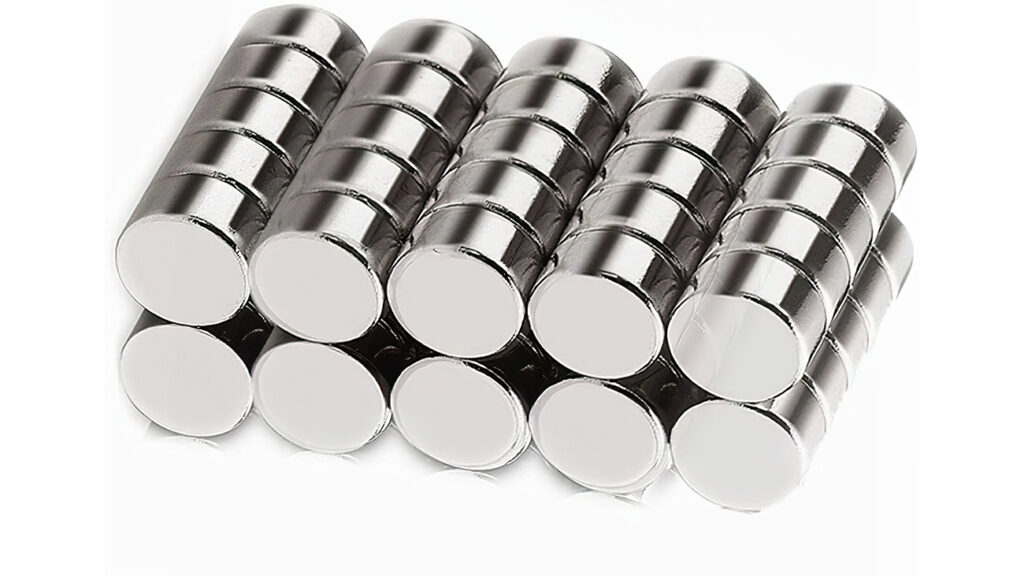
Industrial magnets aren’t your average magnets. They are designed and produced to generate strong magnetic fields enabling them to perform heavy-duty operations that range from lifting tons of steel to separating even the tiniest contaminants and metals from recyclables.
The power of an industrial magnet stems from its design and the materials used. These magnets are often crafted from materials like neodymium (a rare-earth material), alnico (an alloy of aluminum, nickel, and cobalt), or ceramic (ferrite). A neodymium magnet, for example, can be incredibly strong for its size, lifting hundreds of times its own weight. This strength makes them perfect for tasks where a lot of force is needed in a relatively small space.
- Key Statistic: Neodymium magnets are known to be the strongest type of permanent magnets commercially available, displaying a high level of magnetic power relative to their size and weight.
What Different Types of Industrial Magnets Are Available?
There is a whole roster of industrials magnets out there, each with its unique specialization, and each is specifically designed to enhance the operational speed, safety, and efficiency of the applications that employ them.
- Permanent Magnets: These magnets, such as neodymium or ferrite magnets, retain their magnetism indefinitely without any external power source. They are widely used in motors, generators, magnetic separators, and lifting applications.
- Electromagnets: These magnets are created by passing electricity through a coil of wire wrapped around a ferrous core. The strength of the magnetic field can be controlled by adjusting the amount of current flowing through the coil, making them suitable for applications requiring variable magnetic force. They are commonly used in cranes, magnetic separators, and research equipment.
- Lifting Magnets: Specifically designed for lifting heavy ferromagnetic materials, these magnets come in both permanent and electromagnetic types and are equipped to secure loads safely for horizontal and vertical transport.
- Separation Magnets: These specialized magnets are used extensively in recycling, food processing, and mining to remove ferrous contaminants from materials during processing, which can protect machinery and improve product purity.
What Kinds of Lifting Applications Benefit from Industrial Magnets?
Industrial magnets have revolutionized the way heavy objects are lifted and moved across various industries, drastically enhancing efficiency and safety in these processes. Their strong grip and controlled release capabilities make them an invaluable asset, especially in settings demanding high precision and speed.
From construction sites to warehouses and ports, lifting magnets can handle heavy steel plates, pipes, and other ferromagnetic materials with ease. The efficiency they bring in managing weighty loads reduces the time spent on each lifting task and minimizes the dependency on manual labor, resulting in increased productivity. In the automotive sector, lifting magnets are employed to move large metallic components along the assembly line, aiding in the swift and safe assembly of vehicles. These magnets not only expedite the manufacturing process but also assure consistent quality and safety.
- Case Study: A large steel mill implemented lifting magnets to handle steel billets, reducing handling time by 40% and significantly decreasing the risk of workplace accidents.
Where Are Industrial Magnets Used in Material Separating Processes?
Industrial magnets are crucial in material separation, particularly in the recycling, mining, and food processing industries. They efficiently remove ferrous materials from mixed waste streams, protect machinery, and improve the quality of end products.
In recycling plants, magnets separate iron and steel from other recyclables like plastic and aluminum, allowing for the efficient retrieval of valuable resources. This process significantly reduces the volume of waste sent to landfills. In the food industry, powerful magnets are used to capture tiny metal fragments that may have accidentally mixed with food during processing, making sure that the products meet safety standards. In the mining sector, these magnets assist in purifying ores by separating magnetic minerals like iron ore from non-magnetic rock and soil.
How Do Overband Magnets Help in Recycling Operations?
Overband magnets are an integral part of recycling operations where they are used to efficiently remove ferrous metals from a mix of non-ferrous materials. Typically suspended over conveyor belts, these magnets attract and lift ferrous items out of the moving stream of waste, thereby purifying the remaining material.
The strategic placement of overband magnets allows for high-volume processing, essential in busy recycling centers dealing with tons of waste daily. By effectively separating iron and steel, these magnets help recycle these materials, which conserves natural resources and reduces the energy needed to produce new metals. This efficient separation also prevents metallic contaminants from damaging other recycling equipment, saving the recycling plant time and money.
- Interesting Fact: The installation of an overband magnet in a medium-sized recycling facility can result in the recovery of approximately 10 tons of ferrous metals per week.
Why Are Magnetic Separators Essential in the Food Industry?
Magnetic separators are vital in the food industry to ensure product purity and safety. These devices are strategically placed at different stages of food processing to extract any ferrous metal contaminants that could accidentally mix with food products.
Metal contamination in food can occur from worn machinery, broken parts, or even during the harvesting stage. Using magnetic separators helps prevent these contaminants from reaching consumers, protecting both their health and the brand’s reputation. This proactive approach not only complies with stringent health regulations but also reduces the risk of product recalls, which can be expensive and damaging to a company’s image.
How Do Magnetic Pulleys Improve Efficiency in Conveyor Systems?
Magnetic pulleys are installed at the discharge end of conveyor systems to automatically separate ferrous materials from non-ferrous materials. These pulleys are designed with a magnetic core that attracts any ferrous items as the conveyor belt rounds the pulley, effectively diverting them into a separate collection area.
By integrating this separation at the conveyor’s endpoint, processes become streamlined, reducing the need for additional sorting steps. The constant and consistent separation improves the efficiency and throughput of the system. These are most useful in recycling centers, mining operations, and processing plants where large volumes of materials need sorting rapidly.
Can Industrial Magnets Be Used Underwater for Salvage Operations?
Yes, industrial magnets are indeed used underwater for salvage operations to recover ferrous metal objects from bodies of water. Specialized magnets, often encased in waterproof housings, are deployed by divers or remotely operated vehicles (ROVs) to locate and retrieve items like sunken equipment, shipwrecks, and lost tools.
These underwater magnets must be specifically designed to withstand the corrosive effects of saltwater and the high pressures at considerable depths. Their ability to operate efficiently underwater provides a safer and more effective alternative to traditional salvage methods, especially in conditions where visibility is poor or the environment is hazardous.
What Safety Precautions Should You Take When Working With Industrial Magnets?
Handling industrial magnets requires strict adherence to safety protocols due to their strong magnetic fields and potential to cause physical harm. When working in proximity to these strong magnets, it’s crucial to keep metallic objects like tools, watches, and electronic devices at a safe distance, as they can be forcefully pulled towards the magnet.
Always use appropriate protective gear, including gloves and safety glasses, to minimize the risk of injury. Remember, magnets can trap fingers or cause cuts if metallic items suddenly move towards them. Education and training are key; workers should be fully informed about the hazards associated with strong magnets and trained in proper handling techniques. In facilities where industrial magnets are common, clear warning signs should be posted to alert personnel and visitors to the presence of these powerful fields.
- Safety Reminder: A strong industrial magnet can easily crush a hand or cause serious injuries if not handled properly.
What Are Some Emerging Applications of Industrial Magnets?
Industrial magnets are constantly evolving, showing promising new applications across various fields.
- Magnetic Resonance Imaging (MRI): Improvements in magnet technology are allowing for higher resolution imaging, better diagnostics, and less invasive treatments.
- Maglev Trains (Magnetic Levitation): Maglev trains use powerful magnets to float above the tracks, enabling very high speeds with minimal friction. Continued research is exploring more efficient and economical maglev systems for wider adoption.
- Fusion Energy: Magnets can be used to contain and control plasma, potentially leading to clean energy sources.
- Water Treatment Facilities: Magnetic technology is being used more and more to filter out contamination in our municipal drinking water.
FAQ Section:
How strong does an industrial magnet need to be to lift a car?
For lifting a car, an industrial magnet needs to be exceptionally strong. Typically, a magnet used for such purposes would need to lift at least 3,000 pounds (1,360 kilograms) or more, depending on the vehicle’s weight. Electromagnetic lifting magnets are often preferred in these scenarios because their strength can be adjusted based on the specific weight and shape of the load.
Can magnets lose their strength over time?
Yes, permanent magnets can lose some of their strength over time, especially if exposed to high temperatures, strong opposing magnetic fields, or physical shock. This gradual loss of magnetism is known as demagnetization. However, modern magnets, such as those made from neodymium, are designed to retain their magnetism for many years, with a typical loss of only about 1% per 100 years.
How close is too close when working near industrial magnets?
"Too close" depends on the strength of the magnet. High-strength magnets can exert a pull from several feet away that can be dangerous to people and equipment. It’s crucial to maintain a safe distance—at least several feet—from strong magnets. Never place body parts between the magnet and a ferromagnetic material. Keep electronic devices and credit cards at an even greater distance to prevent damage.
What materials are best for shielding magnetic fields?
Materials with high magnetic permeability are best for shielding. This includes:
- Mu-metal: A nickel-iron alloy specifically designed for its excellent shielding properties.
- Silicon steel: Commonly used for shielding in transformers and electrical equipment.
- Iron: While not as effective as mu-metal, iron is a more affordable option for many applications.
The shielding material redirects the magnetic field around the shielded area, reducing the field strength inside.
Are industrial magnets environmentally friendly?
The environmental impact of magnets varies depending on the materials used in their construction. Some magnets, particularly those containing rare earth elements like neodymium and dysprosium, can pose significant environmental challenges due to the mining and refining processes required to obtain these materials. However, ongoing research focuses on developing more sustainable magnet materials and recycling techniques.
What regulations govern the use of industrial magnets in the workplace?
Regulations on the direct use of industrial magnets are integrated within broader occupational safety and health standards. These general guidelines address aspects such as the safe handling of materials, equipment safety, and the provision of a safe working environment, which indirectly covers the usage of industrial magnets. Companies must have rules around handling and worker training.
Conclusion
Industrial magnets are incredibly versatile tools that play a critical role in many industries. From lifting heavy materials to separating valuable resources, these magnets enhance efficiency, improve safety, and contribute to numerous applications. As technology continues to advance, we can expect even more innovative uses for industrial magnets in the future. Here are the key takeaways:
- Industrial magnets come in various types, each suited for specific tasks like lifting, separating, and more.
- They’re crucial in industries like recycling, food processing, and construction to efficiently manage materials.
- Safety precautions are essential when working with these powerful magnets to prevent accidents and injuries.
- Emerging applications in MRI, transportation, and energy promise exciting advancements.
- Proper shielding and handling are important for optimal performance and environmental consideration.
I hope this article has given you a comprehensive understanding of the amazing world of industrial magnets. They may be simple in concept, but their impact on our world is truly significant!