
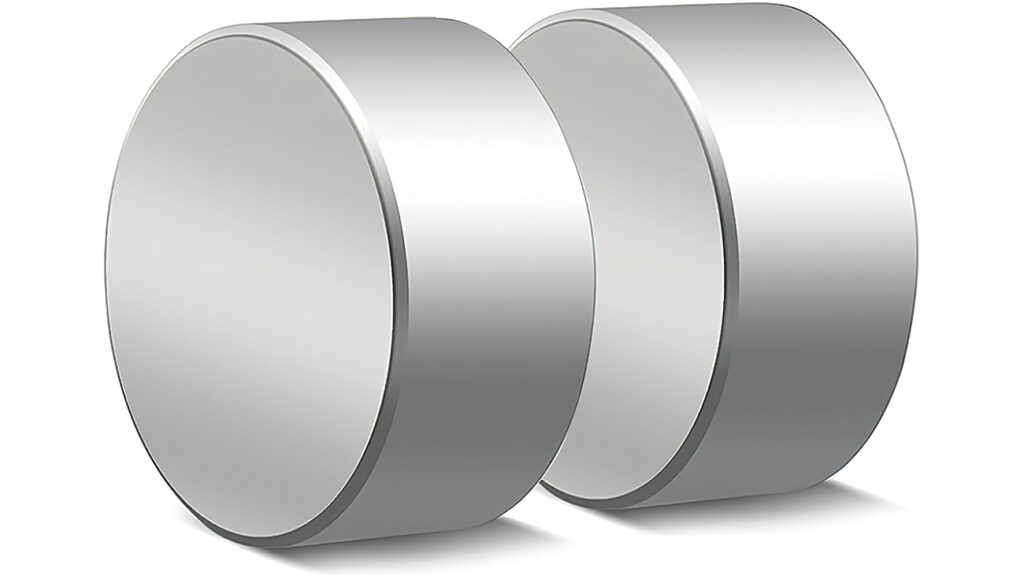
Hey everyone! Today, we’re taking a fascinating journey into the world of industrial magnets. These aren’t your fridge magnets; we’re diving deep into powerful tools that drive industries from recycling to manufacturing. This isn’t just a technical overview; I want to show you how these unsung heroes make our world a better, more efficient place. If you’ve ever wondered how metal is separated for recycling, how powerful motors function, or how food is made safer, you’re in the right place. So, buckle up, and let’s explore the amazing world of industrial magnet technology!
具体的には そうなのか? Industrial Magnets and How Do They Differ from Regular Magnets?
Okay, let’s start with the basics. You probably know magnets attract metal, but industrial magnets are in a different league. They are specifically designed for high-power applications needing significant magnetic force.
Think about the differences:
- 強さだ: Fridge magnets are measured in Gauss (a unit of magnetic field). Industrial magnets? They can require specialized machinery to handle safely due to their power.
- 材料: You’ll commonly find ferrite magnets in toys. Industrial magnets leverage materials like Neodymium, Samarium Cobalt, Alnico magnets, and hard ferrites which are far stronger and more durable.
- アプリケーション Sticking notes to the fridge is nice. Lifting tons of steel? Separating impurities? This is where industrial magnets shine.
| 特徴 | 冷蔵庫用マグネット | Industrial Magnet |
|---|---|---|
| 強さ | 低い | 非常に高い |
| 素材 | Ferrite, Plastic bonded | Neodymium, SmCo, Alnico, Hard Ferrites |
| 申し込み | Decorative, light holding | Heavy lifting, separation, motors, generators |
| サイズ | 小さい | Variable, often larger |
| コスト | 低い | より高い |
The key difference lies in the purposeful engineering behind industrial magnets. They’re designed to perform specific, demanding tasks reliably and efficiently.
What are the Different Types of Industrial Magnets and Their Key Properties?
Knowing your magnet types is crucial. Each has unique strengths:
- ネオジム(NdFeB): The powerhouse. Boasting the strongest magnetic force, they are ideal for applications requiring compactness and high performance, like in electric motors, hard drives, and holding assemblies. They can be brittle and susceptible to heat, so specialized coatings and operating conditions are important.
- サマリウム・コバルト(SmCo): High heat resistance is the name of the game. They are used in high-temperature environments, such as aerospace applications and specialized sensors. They are also more resistant to corrosion than Neodymium magnets.
- アルニコ Offers excellent temperature stability and corrosion resistance. Alnico magnets are often found in sensors, meters, and holding applications where consistency is key. However, their magnetic strength is generally lower than Neodymium or Samarium Cobalt.
- フェライト(セラミック): Cost-effective and corrosion-resistant. They’re widely used in speakers, magnetic separators, and simple holding applications, known more for their price point than sheer power.
- Electromagnets: These are different beasts, using coils of wire and electricity to generate a magnetic field. They can be turned on and off, offering variable strength and control. They are commonly found in cranes, magnetic separators, and medical equipment.
The choice of the right magnet will depend on the required strength, operating temperature, the presence of corrosive substances, and budget.
How Are Industrial Magnets Used in Recycling and Waste Management?
This is where industrial magnets really shine. Think of a recycling plant: a massive conveyor belt chugging along, filled with all sorts of materials.
- Separating Ferrous Metals: Powerful overhead magnets (often electromagnets) glide over the conveyor. These magnets attract all the ferrous metals – steel, iron – lifting them away from non-magnetic materials like aluminum, plastic, and paper. This is crucial for recovering valuable metals and reducing landfill waste.
- Eddy Current Separators: What about separating aluminum (non-ferrous)? This is where eddy current separators come into play. Rapidly rotating magnets induce eddy currents in the aluminum, creating a repelling force that ejects it from the waste stream.
- Protecting Equipment: Magnets are also used to remove ferrous contamination from materials being processed, preventing damage to expensive grinding and crushing equipment.
Almost 80% of all metal recyclables globally are sorted using high-powered industrial magnets. Without this vital technology, recycling would be far less efficient, and landfills would overflow much faster.
What Role Do Industrial Magnets Play in Manufacturing Processes?
Industrial magnets are critical components in many manufacturing operations and processes:
- Lifting and Handling: Need to move large steel plates safely? Magnets in overhead cranes do the job. They can lift incredibly heavy objects without damaging them, speeding up production and reducing labor costs.
- Workholding: Securing parts during machining, welding, or assembly can be tricky. Magnetic workholding devices provide a quick, strong, and reliable clamping force, streamlining operations.
- Automated Assembly: Robots equipped with magnets can perform repetitive assembly tasks with precision and speed, optimizing production lines. Think about assembling car parts – magnets help the robots quickly grab and position each component.
- Material Purity: Within food and pharmaceutical industries, magnets ensure all products go through a purification process to remove unwanted materials.
Let’s say a single automobile production plant utilizes an average of 500 industrial magnets within different assembly and testing processes. Without these, productivity would decrease dramatically and production costs would rise exponentially.
Can Industrial Magnets Improve Food Safety? How?
Imagine tiny metal fragments contaminating your food. Not appetizing, right? Industrial magnets are key to preventing this:
- Removing Ferrous Contaminants: Powerful magnets are used in food processing lines to attract and remove any metal fragments that may have entered the system. Think of finely ground spices – they can pass through magnetic separators to eliminate trace metals introduced during grinding.
- Ensuring Quality: The Food Safety Modernization Act (FSMA) encourages food manufacturers to implement robust foreign material detection systems, and magnets are a critical part of compliance.
- Liquid Processing: Magnets can separate metal contaminants from liquids like sauces, juices, or dairy products, improving overall cleanliness and safety.
Studies suggest that incorporating industrial magnets into food production can reduce metallic contamination by up to 99%, significantly improving product safety and consumer confidence.
What are the Cutting-Edge Applications of Industrial Magnets in Medical Technology?
Beyond recycling and manufacturing, magnets are revolutionizing medicine.
- 磁気共鳴画像法(MRI): This is probably the most well-known application. Giant magnets create powerful magnetic fields used to generate detailed images of the inside of the body, aiding in diagnosis and treatment planning.
- Targeted Drug Delivery: Scientists are developing tiny magnetic particles carrying drugs that can be guided to specific locations within the body using external magnets. This approach minimizes side effects and maximizes therapeutic efficacy. This targeted approach lets us fight diseases with intense precision.
- Surgical Instruments: Magnetic surgical instruments offer enhanced precision and control during minimally invasive procedures. They can be steered remotely, allowing surgeons to reach difficult-to-access areas with greater accuracy.
- 補綴: Magnetically attached prosthetics offer secure and comfortable attachment to the body, improving functionality and quality of life for amputees.
These innovations promise a future of less invasive and more effective medical treatments, driven by advancements in magnet technology.
How Does Magnet Strength Impact the Efficiency of Industrial Applications?
Magnet strength is the crucial factor in many applications, especially where lifting, separation, or positioning are involved.
- Increased Lifting Capacity: Stronger magnets can lift heavier loads, reducing the number of lifts required and accelerating material handling processes.
- Improved Separation Efficiency: More powerful magnets are capable of separating finer or more deeply embedded ferrous particles from materials, achieving higher purity levels.
- Enhanced Performance in Motors and Generators: Stronger magnets in electric motors and generators result in higher efficiency, increased power output, and reduced size, leading to innovations in electric vehicles and renewable energy technologies.
For example, an increase of just 10% in magnet strength within wind turbine generators can boost energy production by approximately 7%, making renewable energy technologies more efficient and cost-effective.
What Safety Precautions Should Be Taken When Working with Industrial Magnets?
Safety is paramount when dealing with these powerful forces.
- ピンチ: Powerful magnets can snap together with tremendous force, causing serious injuries, like crushed fingers. Always use caution and wear protective gloves.
- 電子機器: Keep magnets away from electronic devices like pacemakers, credit cards, and computers. The magnetic field can disrupt their function or erase data.
- Heavy Objects: Always use appropriate lifting equipment when handling heavy magnets. Never attempt to lift magnets or ferrous objects beyond the specified weight capacity.
- シールド: When storing or transporting magnets, use appropriate shielding to contain the magnetic field and prevent them from attracting unwanted objects.
Always consult the manufacturer’s safety guidelines and undergo proper training before working with industrial magnets. A small slip can have serious consequences.
What Does the Future Hold for Industrial Magnet Technology?
The future of industrial magnet technology is brimming with exciting possibilities.
- より強い素材: Research into new magnetic materials is ongoing, with the aim of developing even stronger and more temperature-resistant magnets. New materials are being developed on the nano-scale. These could lead to much more compact and efficient motors and separation systems.
- スマート・マグネット: Integrating sensors and control systems into magnets allows for real-time monitoring of magnetic force and performance, enabling predictive maintenance and optimized operation.
- AI-Driven Optimization: Machine learning algorithms are being used to optimize the design and performance of magnetic systems, leading to improved efficiency and reduced energy consumption.
According to a recent report, the global industrial magnet market is projected to reach over $35 billion by 2028. This rapid growth underscores the increasing importance of magnet technology across a wide range of industries.
How Can I Choose the Right Industrial Magnet for My Specific Application?
Selecting the right magnet is a crucial decision. Consider these factors:
- 応募資格 What do you need the magnet to do? Lift, separate, hold, or something else?
- Magnetic Force: How strong does the magnet need to be? Calculate the required force based on the weight of the object to be lifted or the size of the particles to be separated.
- Operating Environment: What is the operating temperature? Are there corrosive substances present?
- サイズと形: What size and shape magnet are best suited for the application?
- Budget: What is your budget? Consider the long-term costs of performance and durability.
Consulting with a magnet specialist is an excellent way to ensure that you select the right magnet for your specific needs and achieve optimal performance. This is particularly important when the safety of materials that make up products are paramount. A small investment in expertise can result in big benefits.
FAQs About Industrial Magnets
Here are some common questions that many people tend to ask:
What is the strongest type of industrial magnet available?
Neodymium magnets are generally considered the strongest type of commercially available industrial magnet, offering the highest magnetic force for their size and weight. However, ongoing research is exploring even stronger materials.
How long do industrial magnets typically last?
The lifespan of an industrial magnet depends on the type of magnet, the operating environment, and the handling practices. Permanent magnets like Neodymium, Samarium Cobalt, and Alnico can retain their magnetic strength for decades if used properly. Electromagnets will continue operating when supplied with sufficient power to generate magnetic fields.
Are industrial magnets safe for the environment?
While magnets themselves are not inherently harmful, their production and disposal can have environmental impacts. Responsible manufacturers adhere to environmental regulations and promote recycling of magnetic materials.
Can industrial magnets be reused or recycled?
Yes, most industrial magnets can be reused or recycled. Recycling magnets helps conserve valuable rare earth elements and reduces the environmental impact of mining new materials.
How can I demagnetize an industrial magnet?
Demagnetizing a magnet is usually done by heating it above its Curie temperature (the point at which it loses its magnetism) or by applying a strong alternating magnetic field. Demagnetizing industrial magnets is complex process and requires specialized equipment.
Are there any legal regulations regarding the use of industrial magnets?
Regulations may vary depending on the application and location. In some countries, there are regulations regarding the safe handling, transportation, and disposal of strong magnets to prevent accidents and environmental damage.
Conclusion: The Power of Industrial Magnets
So there you have it, a deep dive into the world of industrial magnets! These unsung heroes quietly but powerfully impact countless industries, improving efficiency, safety, and sustainability. Remember these key takeaways:
- Industrial magnets come in various types, each with unique properties tailored for specific applications.
- They are essential for recycling, manufacturing, food safety, and medical technology.
- Magnet strength is a key factor in determining the efficiency of industrial applications.
- Safety precautions must be taken when handling these powerful tools.
- The future of magnet technology is filled with exciting possibilities, including stronger materials, smart magnets, and AI-driven optimization.
I hope this exploration made you see these powerful tools in a totally new light. And remember, even the smallest magnet can make a huge difference!