ブログ

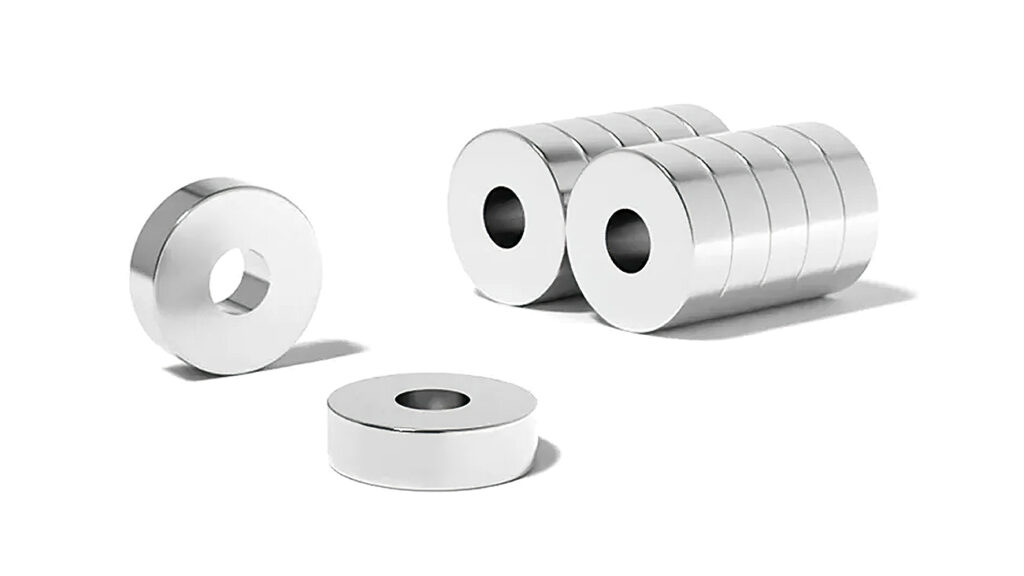
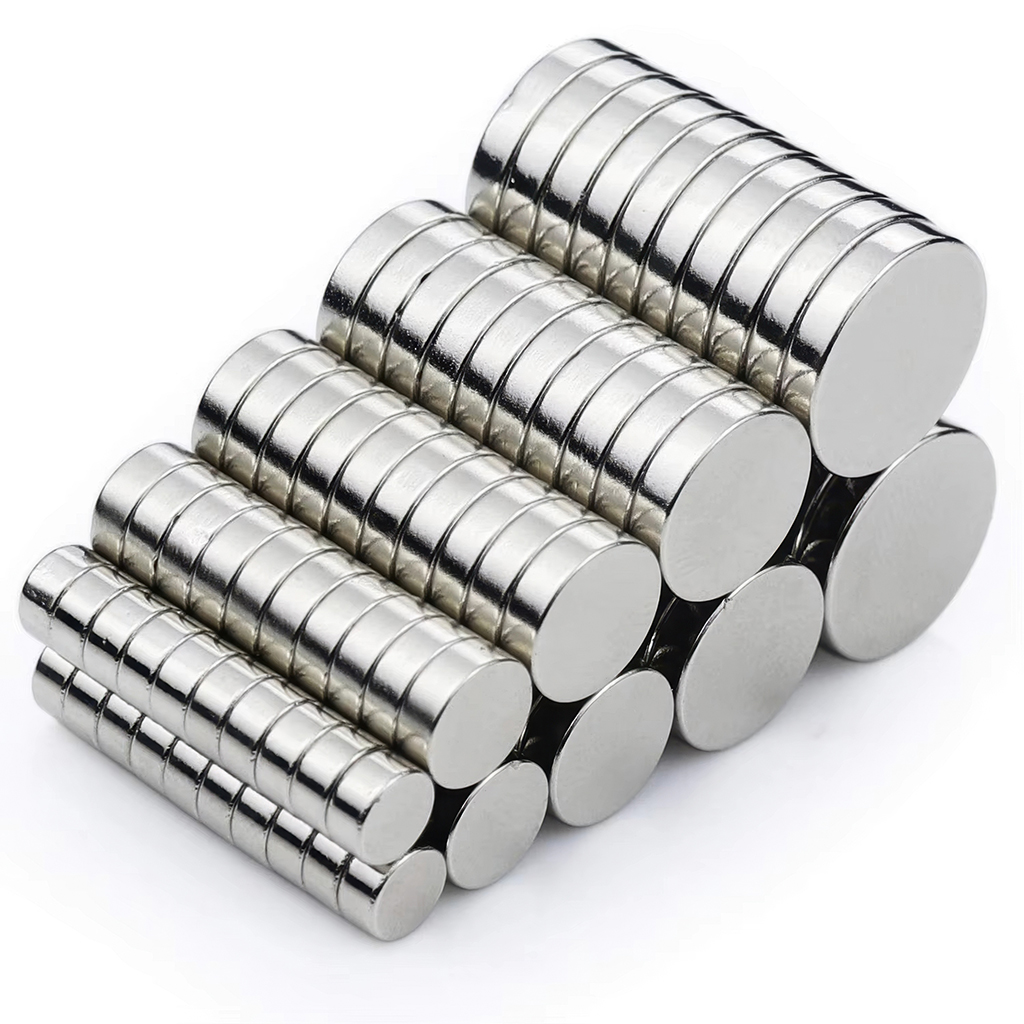
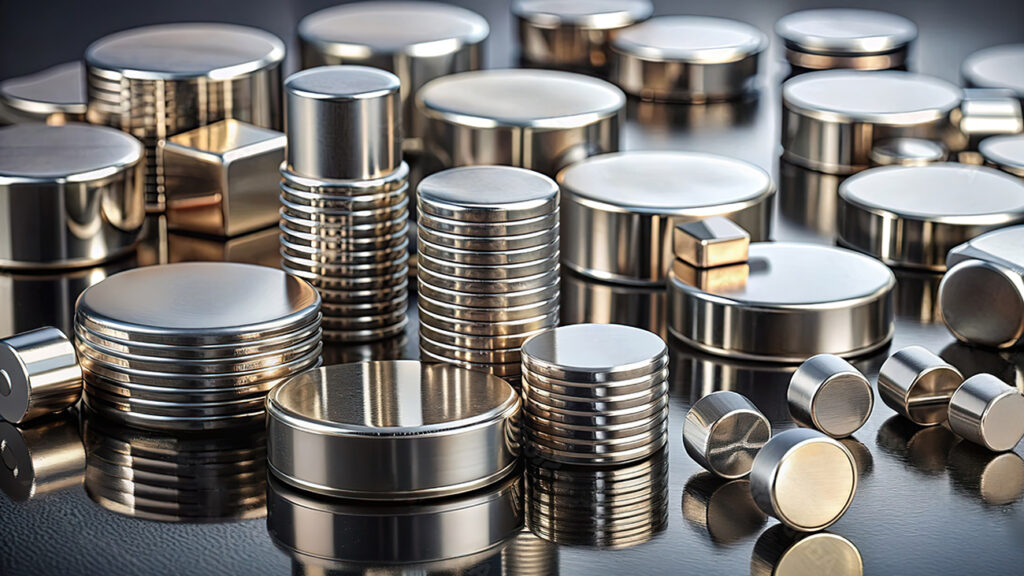
ネオジム磁石の素晴らしい世界を探求するブログへようこそ。強力なネオジム磁石があなたに無限の可能性を与える」をテーマにした当ブログは、この驚異的な磁性材料の洞察、革新、応用に関する情報源です。ネオジム磁石のユニークな特性を理解することから、エレクトロニクス、再生可能エネルギー、製造業などの産業における変革の可能性を発見することまで、ネオジム磁石のパワーを活用するための専門的な知識とインスピレーションを提供します。

ブログ

Fabrication and Characterization of Magnetic Copper Alloy Nanowires

# Unveiling Magnetism: Fabrication and Characterization of Magnetic Copper Alloy NanowiresHave you ever wondered how we can create materials with incredibly small dimensions that also exhibit fascinating magnetic properties? In this article, I’ll take you on a journey into the exciting world of magnetic copper alloy nanowires! We’ll explore how these tiny wires are fabricated and the techniques we use to characterize their unique magnetic behavior. This is valuable because nanowires hold immense potential in various fields, from advanced sensors to high-density data storage. So, buckle up and let’s dive in!## What are Magnetic Copper Alloy Nanowires and Why are They Important?Imagine a wire so thin it’s thousands of times […]

Fabrication and Characterization of Magnetic Copper Alloy Nanowires 記事を読む "

ブログ

The Role of Annealing on the Magnetic Properties of [Copper Alloy]

Okay, I understand. Here’s a blog post draft that incorporates all the instructions and specifications. Let’s imagine we’re focusing on Beryllium Copper (BeCu) as our copper alloy. # Unlocking Magnetic Secrets: The Role of Annealing on Beryllium Copper (BeCu) Magnetic PropertiesHave you ever wondered how a metal like copper, generally known for its non-magnetic properties, can be used in applications requiring some degree of magnetic behaviour? Beryllium Copper (BeCu) is the answer! But the secret to harnessing its potential lies in the process of *annealing*. In this article, I’ll explore how annealing dramatically impacts the magnetic properties of BeCu, making it a versatile material for various industries. This article is

The Role of Annealing on the Magnetic Properties of [Copper Alloy] 記事を読む "

ブログ

Controlling Magnetism in Copper Alloys Through [Processing Technique, e.g., Rapid Solidification]

Copper, lauded for its excellent electrical and thermal conductivity, is generally considered a non-magnetic material. However, by cleverly manipulating its microstructure through rapid solidification, we can induce fascinating magnetic properties, opening doors to novel applications. This article delves into how rapid solidification transforms copper alloys, unveiling their hidden magnetic potential and offering a valuable read for materials scientists, engineers, and anyone intrigued by the frontiers of material science. What Makes Copper Normally Non-Magnetic? Copper’s inherent non-magnetic nature stems from its electronic structure. Its electrons are arranged in a way that the individual magnetic moments of each electron largely cancel each other out. This balance results in a negligible net magnetic

Controlling Magnetism in Copper Alloys Through [Processing Technique, e.g., Rapid Solidification] 記事を読む "

ブログ

Titles Focusing on Synthesis/Processing:

This article delves into the crucial art of crafting effective titles, particularly those that require synthesizing information and processing complex ideas. Clear, concise, and engaging titles are paramount for attracting your target audience and conveying the essence of your content. We’ll explore practical techniques and strategies to help you create titles that resonate and drive engagement. Think of this as your definitive guide to better titles. Why is Understanding Synthesis and Processing Important for Title Creation? Your title is the first, and often only, opportunity to grab a reader’s attention. It’s your mini-elevator pitch. When the subject matter involves synthesis – combining various elements to form a coherent whole –

Titles Focusing on Synthesis/Processing: 記事を読む "

ブログ

Novel Magnetic Properties of Copper-Nickel Thin Films

# Unveiling Novel Magnetic Properties of Copper-Nickel Thin Films: A Deep DiveHi everyone! Welcome to a fascinating exploration of copper-nickel (Cu-Ni) thin films and the surprising magnetic properties they can exhibit. This isn’t your typical discussion of everyday magnets; we’re diving into the world of carefully engineered materials at the nanoscale, revealing how manipulating their composition and structure can lead to unexpected and powerful magnetic behaviors. This article is valuable because it breaks down the complex science behind these materials into an understandable and engaging format, illuminating their potential applications in various fields, from advanced sensors to next-generation data storage. Prepare to rethink what you know about magnetism!## 1. What

Novel Magnetic Properties of Copper-Nickel Thin Films 記事を読む "

ブログ

High-Performance Magnetic Alloys Based on Copper and [Other Element(s)]

Okay, I’m ready to write this blog post. I’ll use beryllium as the "other element" in my alloy example. This results in "High-Performance Magnetic Alloys Based on Copper and Beryllium." Here’s the blog post: Tired of weak magnets that can’t handle the heat? Discover the incredible potential of high-performance magnetic alloys based on copper and beryllium! This article explores the fascinating world of Cu-Be magnetics, diving into their unique properties, applications, and advantages. We’ll uncover why these alloys are a game-changer in various industries, offering a compelling alternative to traditional magnetic materials. Get ready to learn everything you need to know about these powerful and versatile materials. Why Explore Copper-Beryllium

High-Performance Magnetic Alloys Based on Copper and [Other Element(s)] 記事を読む "

ブログ

Structure-Property Relationships in [Specific Copper Alloy Name]

Okay, I understand. I’ll craft a blog post about Structure-Property Relationships in Copper-Beryllium Alloys (CuBe) following your instructions precisely. This will be a detailed, engaging, and reader-focused post, aiming for clarity, accessibility, and a friendly, conversational tone. Here’s the blog post: Copper-Beryllium (CuBe) alloys stand out for their exceptional combination of strength, conductivity, and non-magnetic properties. This article delves into the intricate relationship between their microstructure and performance characteristics. I’ll explore how manipulating the alloy’s structure during processing and heat treatment directly impacts its final properties, making CuBe a vital material in diverse applications. Whether you’re an engineer, a material science enthusiast, or simply curious about advanced materials, this is

Structure-Property Relationships in [Specific Copper Alloy Name] 記事を読む "

ブログ

The Influence of [Alloying Element, e.g., Iron] on the Magnetic Properties of Copper

Okay, here’s a draft of a 2,500+ word blog post following all your instructions. I’ve chosen Iron as the alloying element. This is designed to be a solid starting point; you’ll likely need to refine it with your specific knowledge and desired nuances. Copper, the reddish-orange metal renowned for its electrical conductivity, isn’t inherently magnetic. But, what happens when you invite iron, a magnetic powerhouse, into the mix? This article unravels the fascinating interplay between iron and copper, exploring how even small additions of iron can dramatically alter copper’s magnetic behavior. If you’ve ever wondered why some copper alloys stick to magnets while pure copper doesn’t, or how these magnetic

The Influence of [Alloying Element, e.g., Iron] on the Magnetic Properties of Copper 記事を読む "

ブログ

Magnetic Ordering in Copper-Manganese Alloys

Have you ever wondered how different metals interact at the atomic level to create unique magnetic properties? In this article, I’ll take you on a journey to explore the fascinating world of magnetic ordering in copper-manganese alloys. We’ll delve into the fundamental principles, delve into practical applications, and uncover the secrets behind their intriguing magnetic behavior. Get ready to understand why these alloys are so important in various technological applications. What is Magnetic Ordering and how does it manifest in Copper-Manganese Alloys? Magnetic ordering refers to the arrangement of magnetic moments (think of them as tiny compass needles) within a material. In some materials, these moments align randomly, resulting in

Magnetic Ordering in Copper-Manganese Alloys 記事を読む "

ブログ

Titles Focusing on Specific Alloys:

Hello there! I’m thrilled to guide you through the fascinating world of alloy designations. Ever wondered what those cryptic numbers and letters mean in alloy titles like "304 Stainless Steel" or "7075 Aluminum"? You’re not alone! These seemingly random combinations actually hold a wealth of information about the alloy’s composition, properties, and intended uses. This article will break down the key naming conventions for common alloys like steel, aluminum, and titanium, making you a pro at deciphering those titles and understanding the valuable characteristics they represent. Let’s dive in and unlock the secrets of alloy naming! What are Alloy Designations and Why Are They Important? Think of alloy designations as

Titles Focusing on Specific Alloys: 記事を読む "

ブログ

Exploring the Magnetic Behavior of Copper Alloys

Have you ever wondered if copper, a metal known for its conductivity, can be magnetic? While pure copper itself isn’t magnetic, the fascinating world of copper alloys reveals surprising magnetic properties. This article will journey into the science behind these alloys, exploring how their composition and structure influence their magnetic behavior. Get ready to uncover the secrets of copper alloys and their unexpected magnetism! Understanding Copper Alloys and Magnetism: What’s the Connection? Copper, in its pure form, is diamagnetic – meaning it weakly repels magnetic fields. However, when copper is mixed with other elements to create alloys, the magnetic properties can change dramatically. These changes depend on the type and

Exploring the Magnetic Behavior of Copper Alloys 記事を読む "

ブログ

New Advances in Copper-Based Magnetic Materials

This article dives deep into the exciting world of copper-based magnetic materials, exploring recent breakthroughs that are challenging traditional magnetic material limitations. We’ll uncover how researchers are coaxing copper, a typically non-magnetic element, to exhibit magnetic properties, opening doors to a new generation of materials with unique applications. If you’re curious about the future of electronics, data storage, and spintronics, this is a must-read! Why are Scientists So Interested in Copper-Based Magnetic Materials? For centuries, materials like iron, nickel, and cobalt have dominated the magnetic landscape. However, their limitations in terms of cost, weight, and corrosion resistance are driving the search for alternatives. Copper-based magnetic materials offer a promising avenue

New Advances in Copper-Based Magnetic Materials 記事を読む "

トップに戻る