
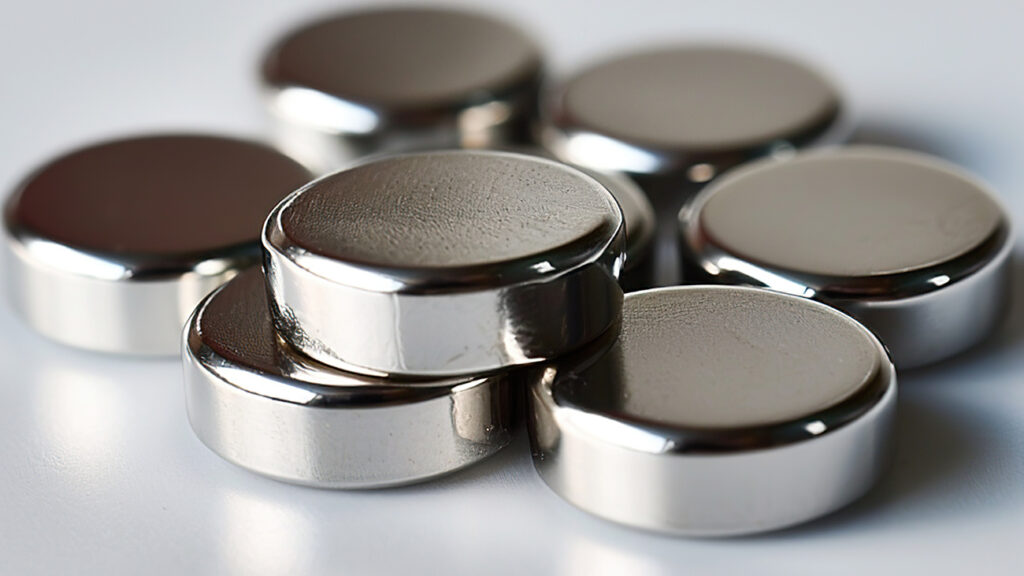
Industrial magnets are powerful tools used across a wide range of industries, from manufacturing and recycling to construction and research. However, their immense strength poses significant safety risks if not handled correctly. This article, The Essential Guide to Industrial Magnet Safety, provides a comprehensive overview of the potential hazards associated with industrial magnets and outlines crucial safety procedures and best practices to ensure a safe working environment. It’s a must-read for anyone working with or around industrial magnets.
Why is Industrial Magnet Safety So Important?
Industrial magnets, while incredibly useful, present a unique set of challenges. Their powerful magnetic fields can attract metallic objects with considerable force, leading to crushing injuries, entanglement, and even fatal accidents. Ignoring safety protocols when handling these magnets is simply not an option. A strong focus on safety is pivotal in avoiding potential accidents and maintaining a safe workplace.
Consider this statistic: according to the Bureau of Labor Statistics, accidents involving heavy machinery, which often incorporate magnets, account for a significant number of workplace injuries each year. Properly implementing safety protocols can drastically reduce these incidents.
What Are the Primary Hazards Associated with Industrial Magnets?
The dangers are numerous and can be severe. Some of the most common hazards include:
- Crushing Injuries: The force with which a magnet attracts metallic objects can trap limbs or even entire bodies, resulting in crushing injuries.
- Impact Injuries: Flying debris propelled by a strong magnetic field can cause serious impact injuries to workers in the vicinity.
- 핀치 포인트: Magnets create significant pinch points between the magnet itself and any attracted metallic object.
- 장비 피해: Uncontrolled attraction to machinery can damage equipment, causing malfunctions and further safety risks.
- Entrapment: Workers can become trapped against or between metallic objects by the attractive force of the magnet.
These hazards highlight the necessity of strict adherence to safety guidelines.
How Can We Prevent Accidents When Handling Industrial Magnets?
Prevention is key, and involves several layers of safeguards:
- Comprehensive Training: Providing thorough training to all personnel who work with or around industrial magnets is paramount. Training should cover the specific hazards associated with the magnets being used, as well as proper handling procedures and emergency protocols. A well-trained worker is much less likely to be involved in an incident.
- Risk Assessments: Conducting regular risk assessments to identify potential hazards and implement appropriate control measures is critical. This involves analyzing the specific tasks being performed, the environment in which the magnets are being used, and the potential consequences of an accident.
- Personal Protective Equipment (PPE): Ensure that workers wear appropriate PPE, such as gloves, safety glasses, and steel-toed boots, to protect against potential injuries.
- Safe Lifting Practices: Use proper lifting techniques and equipment to avoid strain and prevent accidental dropping of magnets or attracted objects. This might include using cranes with appropriate load ratings, and employing taglines to safely guide loads.
- Controlled Environments: Designate specific areas for magnet handling and storage, ensuring that these areas are clearly marked and free from obstructions.
What Kind of Personal Protective Equipment (PPE) is Necessary?
Choosing the right PPE is essential to minimizing the risk of injury.
- 장갑: Heavy-duty gloves protect hands from cuts, abrasions, and pinch points.
- 보안경: Safety glasses shield eyes from flying debris and accidental impacts.
- Steel-Toed Boots: Steel-toed boots protect feet from crushing injuries caused by dropped objects or attracting unexpected metal.
- Protective Clothing: Depending on the environment, protective clothing such as coveralls or aprons may be necessary to shield the body from sharp edges and potential impacts.
- Hearing Protection: If magnet handling creates a noisy environment (e.g., repetitive banging impacts), implement a comprehensive hearing conservation program, which includes training on noise hazards and the proper use of hearing protection, such as earplugs or earmuffs.
What are the Best Practices for Storing Industrial Magnets?
Proper storage is not just about organization; it’s about preventing accidents.
- Designated Storage Areas: Store magnets in designated areas away from walkways and other high-traffic zones.
- Securing Magnets: Secure magnets to prevent them from accidentally falling or attracting nearby metallic objects. Consider using storage racks or shelving with locking mechanisms.
- 차폐: Shield magnets to reduce their magnetic field strength and prevent unintended attraction.
- Clear Labeling: Clearly label all magnets with their strength, weight, and any specific safety precautions.
- Regular Inspections: Conduct regular inspections of storage areas to identify and address any potential hazards, such as unsecured magnets or damaged shielding.
How Can Technology Enhance Industrial Magnet Safety?
Incorporating technology can significantly improve safety in magnet handling.
- Remote-Controlled Magnets: Use remote-controlled magnets to manipulate materials from a safe distance, reducing the risk of direct contact and injuries.
- Sensors and Alarms: Install sensors that detect magnetic fields and trigger alarms when approaching dangerous levels, alerting workers to potential hazards.
- Automated Systems: Implement automated systems for magnet handling to minimize human interaction and reduce the risk of accidents.
- Virtual Reality (VR) Training: Utilize VR simulations to provide realistic training scenarios in a safe environment, allowing workers to practice handling magnets and responding to emergencies without real-world risks.
- Force Measurement Devices: Use force measurement devices to accurately quantify the magnetic force being exerted, enabling workers to make informed decisions regarding safe handling limits.
For instance, one case study documented a 30% reduction in accidents after a manufacturing plant introduced remote-controlled magnets for moving heavy steel plates.
다이어그램: Simple flowchart illustrating the use of a sensor triggering an alarm when metal object gets too close to a powerful stationary magnet. (This would be a basic visual, but text constraints prevent actual visual inclusion).
What Emergency Procedures Should Be in Place?
Even with the best preventative measures, emergencies can still occur. Being prepared is essential.
- Emergency Stop Buttons: Install strategically placed emergency stop buttons to immediately de-energize magnets, allowing workers to quickly stop hazardous operations.
- Evacuation Plans: Develop and regularly practice evacuation plans to ensure that workers can quickly and safely evacuate the area in the event of an accident.
- First Aid Training: Provide first aid training to personnel to enable them to provide immediate medical assistance in the event of an injury.
- Communication Systems: Establish clear communication systems to facilitate rapid communication and coordination during emergencies.
- Emergency Contact Information: Maintain readily available emergency contact information, including phone numbers for emergency services, medical facilities, and key personnel.
What Role Does Regular Maintenance Play in Magnet Safety?
Maintenance isn’t just about keeping things running; it’s about preventing failures that could lead to accidents.
- Regular Inspections: Regularly inspect magnets for signs of damage, such as cracks, corrosion, or weakened magnetic fields.
- Preventive Maintenance: Implement a preventive maintenance program to address potential problems before they escalate into safety hazards.
- 테스트: Periodically test the strength of magnets to ensure they meet required specifications and haven’t experienced a decline in performance.
- Repair or Replacement: Promptly repair or replace damaged magnets to prevent accidents and maintain safe operating conditions.
- Documentation: Maintain accurate records of all maintenance activities, including inspections, repairs, and testing results.
What Are the Legal and Regulatory Requirements Related to Industrial Magnet Safety?
Compliance with relevant regulations is not just a legal obligation; it’s a moral one.
- OSHA Standards: Adhere to all applicable OSHA standards related to magnet safety, as well as general workplace safety regulations.
- Industry-Specific Regulations: Comply with any industry-specific regulations that govern the use of magnets in your particular field.
- Local Regulations: Be aware of and comply with any local regulations or ordinances related to magnet safety.
- Regular Audits: Conduct regular audits to ensure compliance with all relevant regulations.
- Documentation and Record-Keeping: Maintain thorough documentation of all safety procedures, training records, and inspection reports to demonstrate compliance with applicable regulations.
How Can We Foster a Culture of Safety?
Safety should be ingrained in every aspect of the workplace culture, not just a set of rules.
- Leadership Commitment: Demonstrate strong leadership commitment to safety by prioritizing safety above all else.
- Employee Involvement: Encourage employee involvement in developing and implementing safety procedures.
- Open Communication: Foster open communication about safety concerns and encourage employees to report any potential hazards, knowing they will be heard.
- Positive Reinforcement: Recognize and reward safe behavior to reinforce the importance of safety and encourage continued compliance.
- Continuous Improvement: Continuously strive to improve safety performance by seeking feedback, analyzing incident data, and implementing corrective actions.
FAQ: Industrial Magnet Safety
What is the most crucial aspect of industrial magnet safety training?
The most crucial aspect is ensuring that workers understand the specific hazards associated with the magnets they are using, as well as the proper handling procedures and emergency protocols. Practical, hands-on training is far more effective than solely theoretical instruction.
How often should industrial magnets be inspected for damage?
Industrial magnets should be inspected regularly, ideally before each use, but at least on a weekly basis. More frequent inspections may be necessary depending on the intensity of use and the environment in which the magnets are operated.
What should I do if I witness an unsafe practice involving industrial magnets?
Immediately report the unsafe practice to a supervisor or safety manager. Prompt reporting can prevent accidents and ensure that corrective actions are taken. Do not attempt to correct the unsafe practice yourself if you are not properly trained and authorized to do so.
Are there specific regulations regarding the maximum weight an industrial magnet can lift?
Yes, there are absolutely specific regulations. Consult the manufacturer’s specifications and any applicable OSHA standards or industry-specific guidelines. Always err on the side of caution and avoid exceeding the magnet’s rated lifting capacity. Also consider the working load limit (WLL) and safety factor of the magnet and any lifting accessories.
How can I determine if a magnetic field poses a health risk?
While most industrial magnets produce static magnetic fields considered safe for short-term exposure, prolonged exposure to very strong magnetic fields may pose potential health risks. Consult with a qualified health and safety professional to assess the specific magnetic field strength and potential health effects. Follow recommended exposure limits and implement appropriate control measures if necessary. If personnel have implanted medical devices such as pacemakers, they may have further restrictions and recommendations from their medical professionals.
What is the best way to remove a person who is pinned by a magnet?
Stopping the magnetic force is the first priority. This could involve de-energizing the magnet (if it’s an electromagnet) or using specialized tools to physically separate the magnet from the trapped person, or the trapped person from a metallic object. Call emergency services immediately and provide first aid until they arrive. The rescue should be performed by trained personnel.
Conclusion: Key Takeaways for Industrial Magnet Safety
- Prioritize Training: Comprehensive training is the foundation of a safe workplace.
- Implement Risk Assessments: Identify potential hazards and implement control measures proactively.
- Use Appropriate PPE: Always wear PPE to protect against potential injuries.
- Maintain Equipment: Regular maintenance ensures safe operating conditions.
- Foster a Culture of Safety: Create a workplace where safety is everyone’s responsibility.
- Emergency Preparedness: Have well-defined and practiced emergency procedures in place.
By adhering to these principles and implementing the guidelines outlined in this Essential Guide to Industrial Magnet Safety, we can significantly reduce the risk of accidents and create a safer working environment for everyone in the industry. Remember, safety is not just a set of rules; it’s a commitment to protecting ourselves and our colleagues.